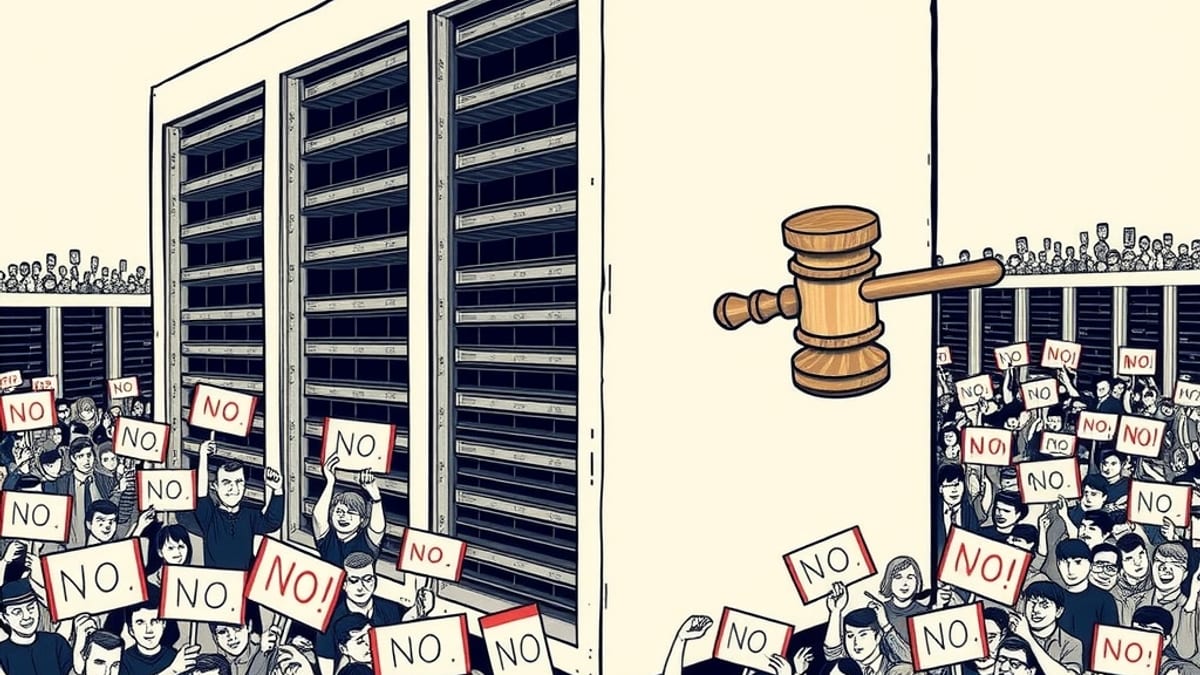
Voters delivered a clear message in the recent midterm elections, overwhelmingly supporting measures that restrict the construction and expansion of data centers. Across ten states, 41 ballot initiatives related to data center policy were on the ballot, with at least 33 passing to limit development through bans or moratoriums. This widespread public sentiment against data centers has significant implications for the continued growth of the artificial intelligence industry, which relies heavily on this infrastructure.
The opposition to data centers was not confined to local ballot measures. In Ohio, a state with a significant number of operational and planned data centers, 21 such measures were on the ballot, with voters in municipalities like Urbana and Hubbard approving outright bans by substantial margins. Similarly, in Texas, the election of Gina Hinojosa as governor, who had pledged to pause data center development, signals a shift in the state's approach to the industry. An NBC News exit poll revealed that 76 percent of voters would oppose a new data center in their community, and 56 percent stated that AI and data centers were a crucial factor in their vote for Congress.
This voter sentiment appears to transcend party lines, though Democrats have more strongly opposed data center construction. In many races, candidates who campaigned on restricting data centers saw electoral success. The National Republican Senatorial Committee had even identified data centers as a "sleeper issue" for the election cycle, highlighting their growing political relevance. Concerns cited by voters include the impact on energy bills, noise pollution, water consumption, and the repurposing of farmland and open spaces.
The backlash against data centers has already begun to affect development. According to Data Center Watch, at least 75 data center projects, valued at approximately $130 billion, were blocked or delayed in the first three months of the year. Developers had also called off at least $260 billion in planned U.S. data center projects by mid-October, largely due to local permit issues or actions by town and county governments. The trend suggests that the AI industry will need to contend with increased local resistance and potentially more stringent regulations moving forward.