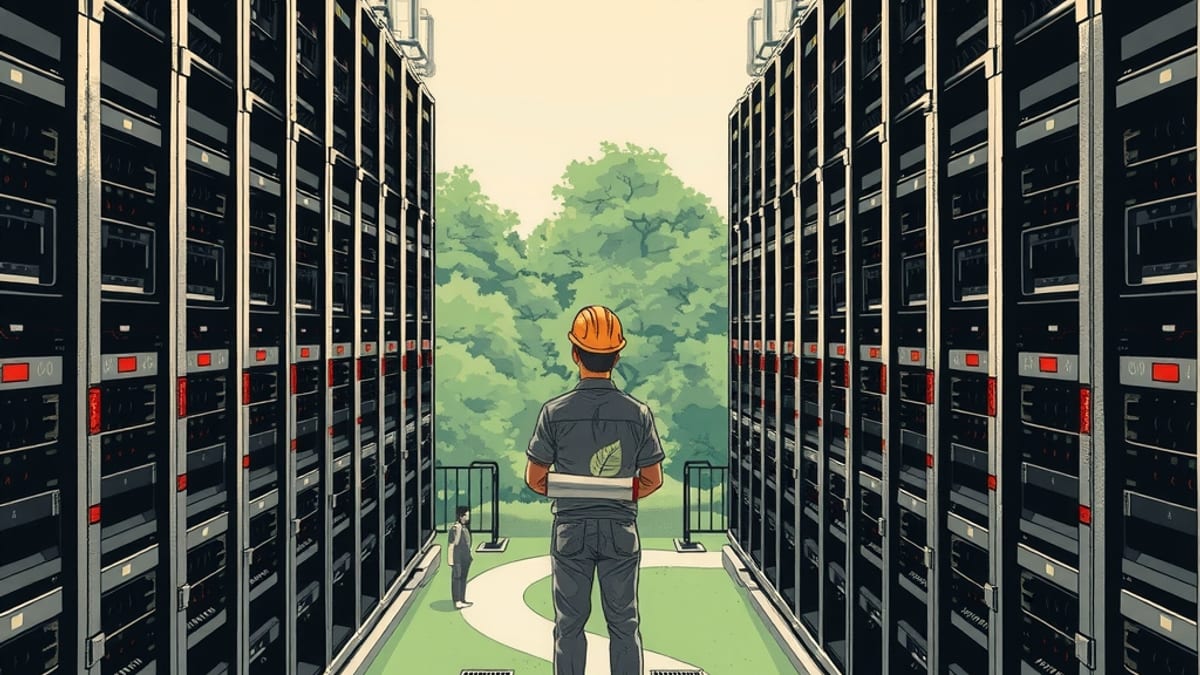
OpenAI has begun referring to its large-scale data processing facilities as "compute campuses," a change that comes as the company faces increasing public opposition to traditional data centers. The artificial intelligence firm confirmed its preference for the new term, stating that "compute campuses better describes the scale and role of the infrastructure we're building for AI." The company also characterized these sites as "long-term investments in computing, energy infrastructure and skilled work."
This rebranding effort appears to be a strategic response to growing concerns about the environmental impact and community disruption associated with data centers. Public opinion polls indicate significant opposition to the construction of new data centers, with a substantial majority of voters expressing concern about their environmental footprint and a reluctance to have them located in their communities. Pew Research found that 54% of Americans view AI data centers as bad for the environment, a sentiment that has risen since earlier this year. Heatmap Pro data shows that 75% of registered voters would oppose a new data center near their homes.
The move also follows reports that OpenAI is anticipating potential political shifts following recent midterm elections, which could lead to a more stringent regulatory environment for AI infrastructure. OpenAI's Chief Global Affairs Officer, Chris Lehane, has indicated that AI will remain a prominent topic in political discussions. The company has previously stated its commitment to working with host communities to address local needs and ensure they benefit from these projects, including a pledge to cover energy costs to avoid increasing local electricity prices.
OpenAI's flagship "Stargate" facility in Abilene, Texas, serves as an example of its large-scale AI infrastructure. This site, developed in partnership with Oracle, is designed to house a significant amount of AI compute power. The company has outlined plans for further expansion of its compute capacity, with a commitment to invest substantially in U.S. AI infrastructure. Despite these efforts, some critics argue that renaming facilities does not address the underlying issues of environmental impact and resource consumption.