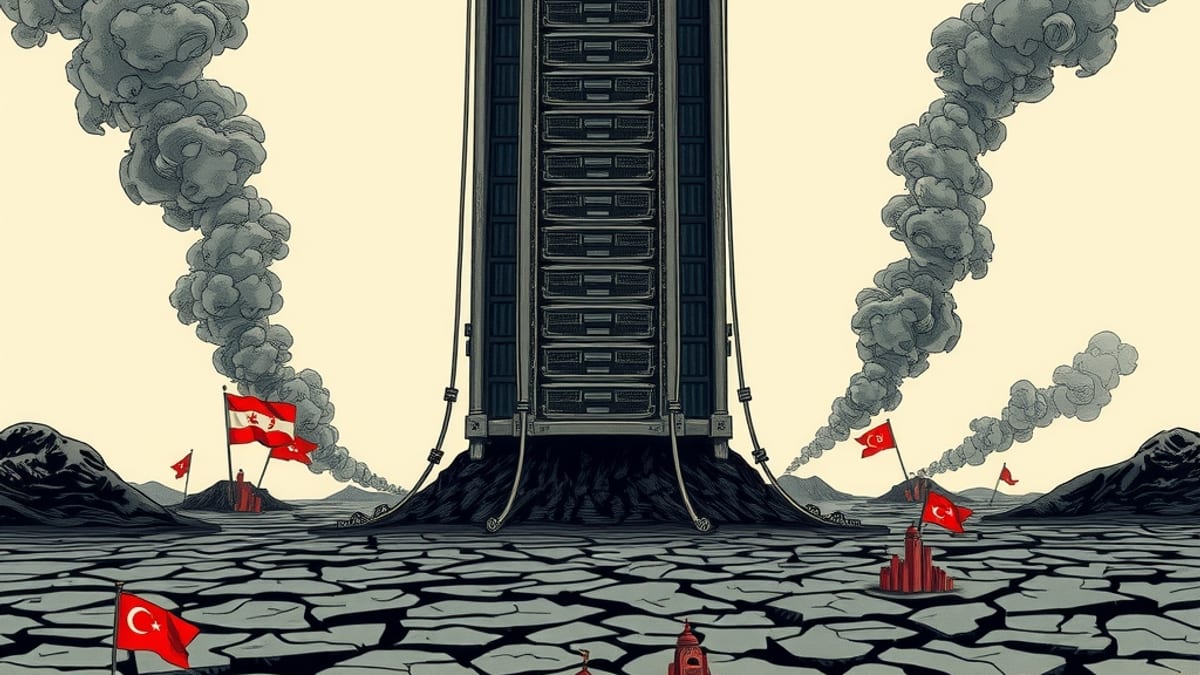
Hyperscale data centers across the United States are collectively consuming electricity comparable to that of entire midsize countries, with over half of their power derived from fossil fuels. This finding comes from a new study by researchers at Harvard T.H. Chan School of Public Health and the Harvard Data Science Initiative, published in Nature Sustainability. The study estimates that these massive facilities used between 68 and 99 terawatt-hours of electricity annually between May 2024 and April 2025. This consumption level approaches the annual electricity use of U.S. states like Indiana, Michigan, and Tennessee.
The research, which analyzed 403 hyperscale data centers, revealed that approximately 54% of the electricity powering these facilities originated from fossil fuels, primarily natural gas (38%) and coal (15%). This reliance on fossil fuels results in substantial carbon dioxide emissions, estimated at 25.7 million metric tons for the study period. This figure is two to three times higher than previous estimates from 2018, predating the significant growth in AI-driven computing demands.
The study highlights that the environmental impact of these data centers is also influenced by the carbon intensity of the regional electricity grids they utilize. Roughly a quarter of the electricity consumed by these facilities comes from grid regions with higher-than-average carbon emissions. This means that communities located near fossil fuel power plants bear health costs associated with air pollution, even if they are geographically distant from the data centers themselves.
The researchers employed satellite imagery and public data to estimate electricity consumption and attribute carbon emissions for each facility. They note that the rapid expansion of data centers, fueled by the demand for artificial intelligence, means current electricity use and emissions are likely already higher than the study's findings indicate.
Francesca Dominici, a senior author of the study and director of the Harvard Data Science Initiative, pointed out the lack of transparency regarding data center operations and their environmental footprint. The study aims to provide concrete data for policymakers, investors, and developers to make more informed decisions about data center development and energy sourcing. The growth in data center demand is transforming the U.S. power sector, with estimates suggesting U.S. data center demand could nearly triple by 2030.