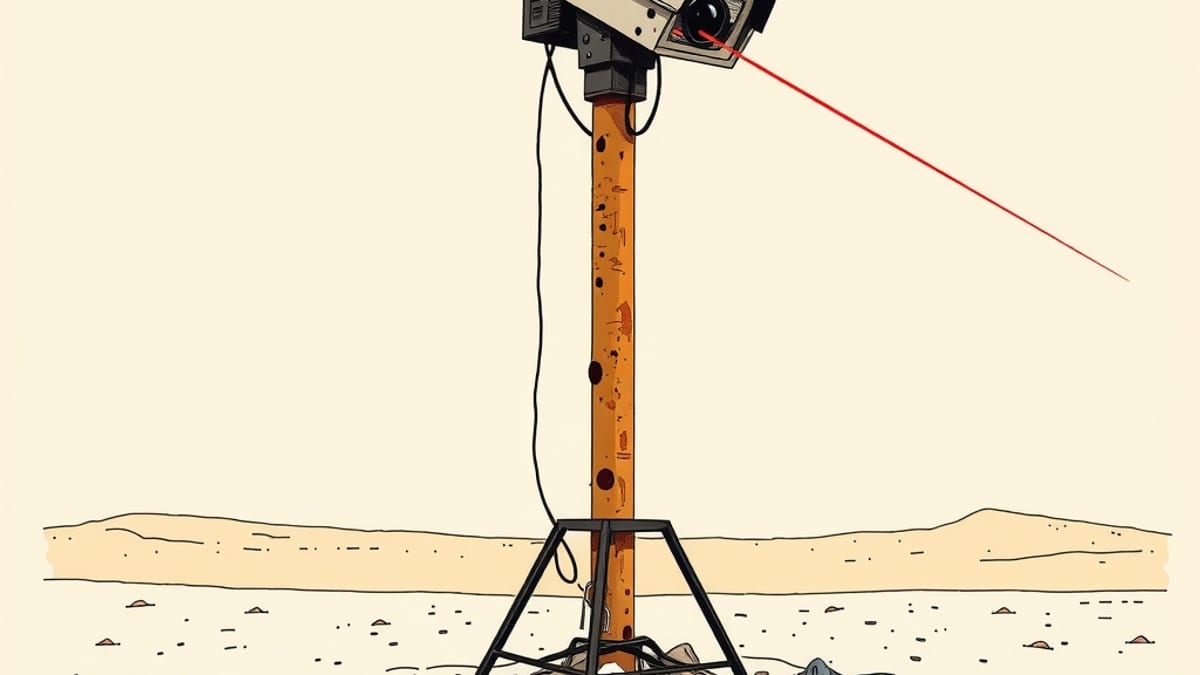
An extensive investigation by MIT Technology Review has uncovered systemic failures within the United States' border surveillance network, commonly referred to as the "virtual wall." Despite billions of dollars allocated to advanced technologies, including artificial intelligence, the system has repeatedly failed to detect migrants who subsequently died in proximity to the surveillance towers. These findings challenge the efficacy of the technology, which was intended to enhance border security and facilitate quicker responses to crossings.
The investigation cross-referenced approximately 4,000 locations where human remains were found with data on nearly 600 surveillance towers. The analysis considered the installation dates of the towers and the estimated dates of death for individuals. It revealed that over 1,050 people died within the advertised detection range of these towers between 2015 and early 2026. Furthermore, the study indicated that deaths occurred within the range of nearly two-thirds of the analyzed towers, suggesting a widespread issue rather than isolated incidents.
Failures within the "virtual wall" system stem from several factors. Damaged equipment has rendered some towers inoperable, while algorithmic flaws have led to missed detections of individuals. In other instances, agents received alerts from the surveillance systems but failed to act, or their responses were significantly delayed. The investigation also noted that over 110 individuals have died within range of modern autonomous towers deployed by Anduril since 2021, highlighting that even the most advanced systems have not circumvented these critical failures.
The U.S. government has made substantial investments in border surveillance technology. Since 2019, Customs and Border Protection (CBP) has received over $2 billion for inspection technology. The Secure America Act, signed into law in June 2026, further allocated $3.45 billion for CBP's border security technology programs through 2029. This funding supports the deployment of scanning systems and "autonomous" surveillance towers, with plans to deploy an additional 1,497 towers by 2034, at an estimated cost of $6.2 billion over their lifespan.
However, critics argue that this technological approach has not only proven ineffective but may also exacerbate the dangers faced by migrants. The increased surveillance can push migrants to take longer, more perilous routes to evade detection, increasing their risk of dehydration, heatstroke, and death in harsh desert environments. Additionally, data collection and reporting on migrant deaths have been inconsistent. For example, the Pima County Medical Examiner's office in Arizona recorded significantly more migrant deaths than Border Patrol's official counts for the same period.
The investigation calls for immediate action from CBP, including a comprehensive audit of deaths occurring near the "virtual wall" and improvements in how the agency tracks migrant fatalities. These steps are deemed necessary for CBP to properly analyze the failures of its surveillance technology and to understand the full scope of the humanitarian crisis unfolding along the border.