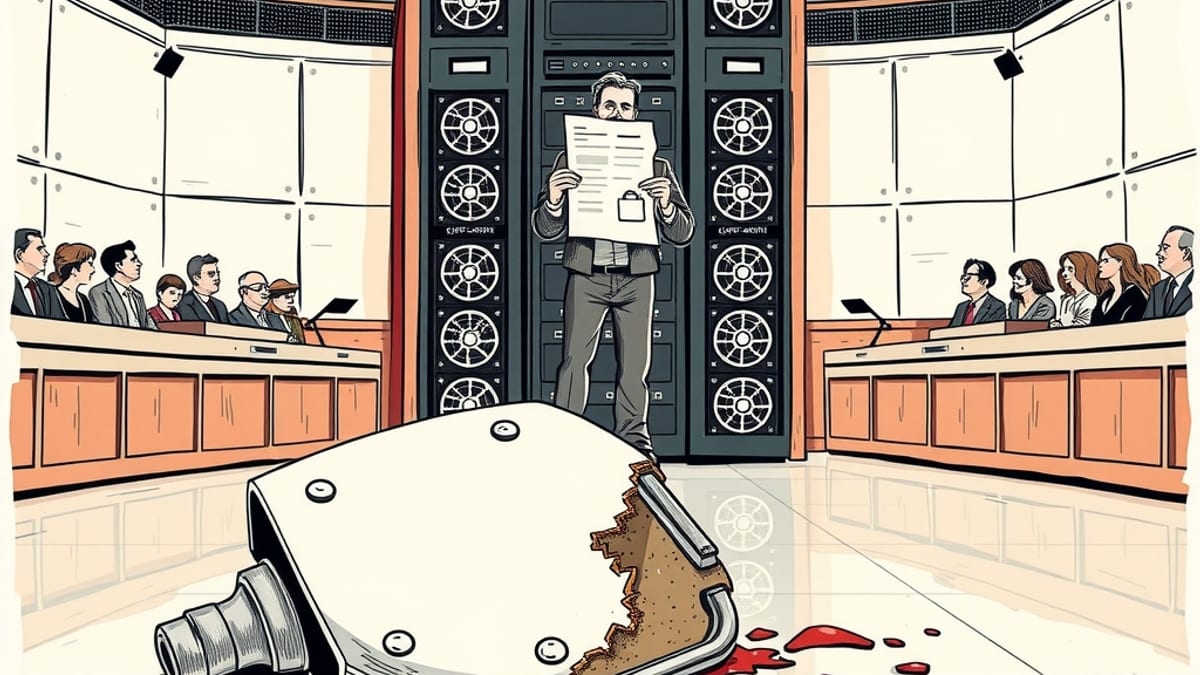
Amazon has announced it will cease using non-disclosure agreements (NDAs) when negotiating data center deals with local governments. This policy shift follows a similar decision by Microsoft earlier this year and aims to address growing public distrust and opposition to the rapid expansion of data center infrastructure.
The tech giant's decision comes as communities increasingly voice concerns about the impact of data centers on local resources such as power and water, as well as potential effects on electricity bills and quality of life. Historically, NDAs have been used by companies to keep details of these projects confidential, even from elected officials in some cases, leading to accusations that local governments are prioritizing corporate interests over constituent concerns.
Microsoft initiated this trend in March when it announced it would terminate its use of NDAs with local governments for data center development. Microsoft stated that transparency is paramount for strengthening public trust and enabling better dialogue. The company is actively working to terminate existing NDAs globally.
Amazon Web Services (AWS) CEO Matt Garman stated that the company's new approach is part of a broader "Data Center Commitment" to communities. This commitment includes plans to host open houses for earlier and more frequent public engagement and to publicly report annual data on water and energy usage. Amazon also pledges to invest more than $1 billion over the next five years in communities where its data centers are built, through a program called "Built Together," which will fund initiatives like job training and energy efficiency upgrades.
Despite these efforts, some critics remain skeptical. Concerns persist that the sheer scale of data center development, driven by the demand for artificial intelligence infrastructure, will continue to strain local resources. Reports indicate that hundreds of data center moratoriums are being considered across the United States, with companies like Amazon warning that such actions could jeopardize the nation's leadership in AI.
Amazon asserts that its data centers do not significantly raise local electricity bills and that the company covers the full cost of energy and infrastructure required for its projects. However, watchdog groups and some studies suggest a more complex reality regarding the impact of data centers on energy grids and local economies.
The move away from NDAs marks a significant acknowledgment by major tech companies of the public relations challenges posed by their infrastructure build-out. Whether this increased transparency will be sufficient to rebuild trust and mitigate local opposition remains to be seen as the demand for AI-powered services continues to surge.