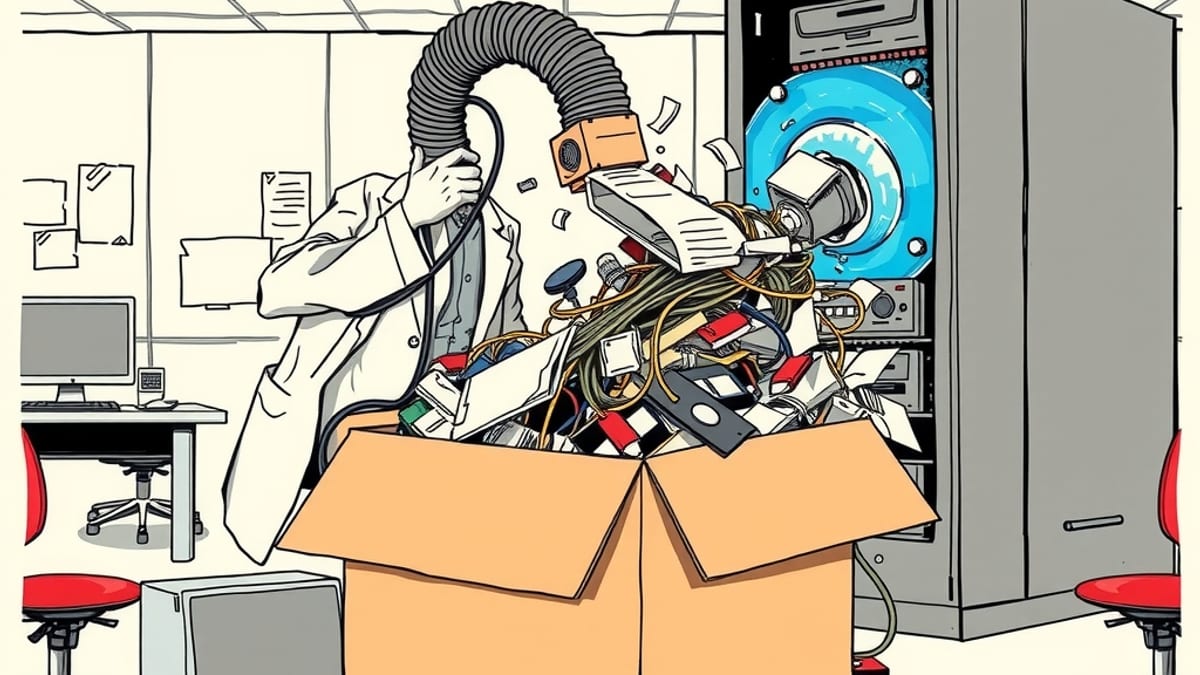
AI laboratories are increasingly acquiring digital archives from defunct startups, transforming the remnants of failed businesses into training data for artificial intelligence models. This emerging market sees companies that are shutting down sell their code bases, internal communications, and documents to AI developers. The practice offers a financial return for companies ceasing operations and supplies AI labs with real-world data that may be difficult to obtain otherwise.
Keelan Miskell, founder of a cryptocurrency startup that is currently winding down, reported selling his company's code for approximately $25,000. He also has a pending transaction for workspace data, including content from platforms like Google, Notion, Figma, and Slack, estimated to be around $15,000. SimpleClosure, a firm that assists companies with their dissolution, has facilitated such deals through its Asset Hub platform, which began brokering data sales in April. The company states that data or code sales are now part of 47% of its transactions and projects that Asset Hub will return over $10 million to startups by the end of 2026.
Buyers, including foundation-model labs and established technology companies, are interested in these archives to capture authentic work histories and decision-making processes. Surge AI, for instance, uses company records to construct simulated workplaces where AI agents can practice tasks such as debugging IT systems or drafting legal documents. The value of this data, however, is based on estimates of its utility for training AI models, and published tests demonstrating improved model performance from this type of data are not yet available.
The practice also raises unresolved questions regarding worker consent and the downstream use of data. While brokers like SimpleClosure state they remove personal data before sales, the extent to which employees had a say in the disposition of their work-related communications remains unclear. Legal experts and privacy advocates have voiced concerns, particularly as AI models can sometimes reproduce training data verbatim. This has led to calls for investigations into such practices by regulatory bodies.
Other entities are also reportedly exploring similar avenues for data acquisition. SpaceX, for example, has been in discussions about purchasing customer and operational data from distressed or bankrupt startups to train its AI models, such as Grok. This mirrors Alphabet's previous $10 million bid for Spirit Airlines' business data, which included millions of company emails and chat records, a move that also prompted privacy concerns. Data companies like Mercor are actively seeking internal datasets from failed startups, offering up to $300,000 for archives that include Slack logs, emails, and meeting recordings.
The trend highlights a shift in AI training data sourcing, moving beyond publicly available internet content to more specific, real-world operational data. As AI models become more sophisticated, particularly in the development of agentic AI, the demand for such detailed records of human interaction and decision-making is expected to grow.