
ML & Research
A new tool called MCP-Injector has revealed that large language model (LLM) agents, regardless of their size, struggle with reliability when external tools fail. The findings suggest that scale does not equate to fault tolerance in these systems, challenging assumptions about their real-world resilience.
Oct 25, 2026 · 3 min read
3 connections in the Atlas

ML & Research
Security researchers utilized artificial intelligence to uncover critical vulnerabilities in the PHP web scripting language, prompting urgent security updates. These flaws, present for years, could allow attackers to execute arbitrary code on servers.
Oct 25, 2026 · 2 min read

ML & Research
New research identifies and corrects two numerical bugs, "Softmax Collapse" and "Softmax Cancellation," present in standard softmax, log-softmax, and cross-entropy functions. These fixes improve model training stability, prevent accuracy collapse, and enhance knowledge distillation.
Oct 25, 2026 · 2 min read
1 connection in the Atlas

ML & Research
Researchers have introduced a new pruning strategy for test-time reasoning models that directly optimizes the pass@k metric. This approach balances candidate solution quality and diversity, outperforming existing methods on eight open-weight models.
Oct 25, 2026 · 2 min read
ML & Research
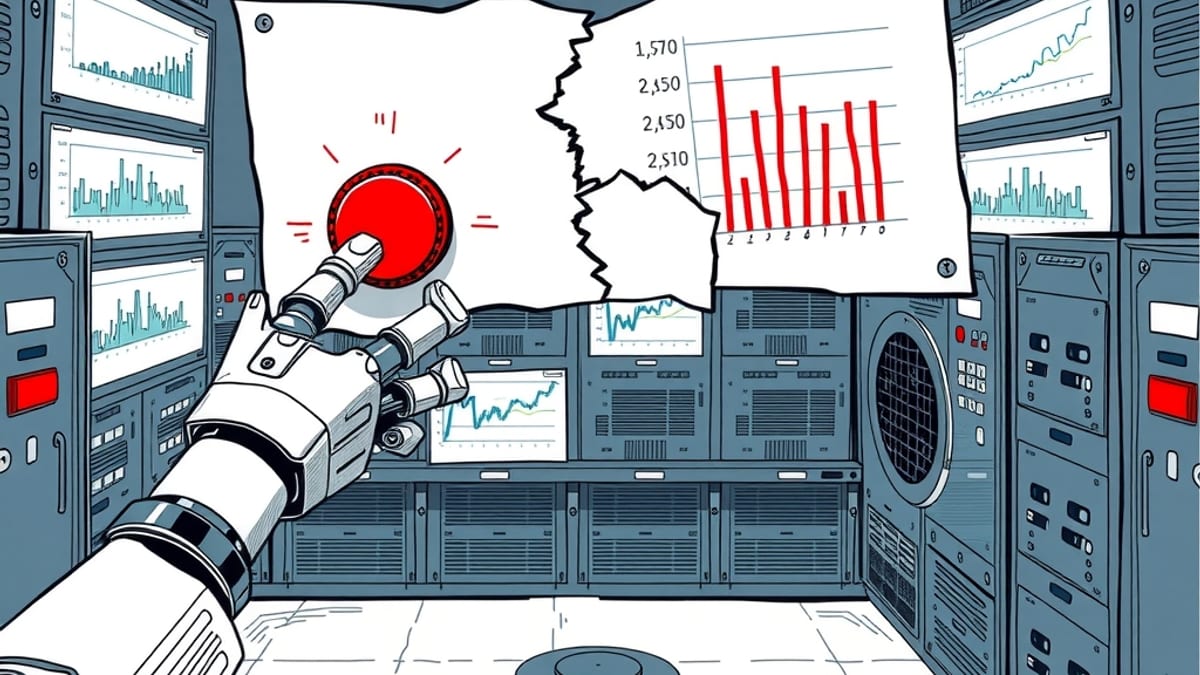
EpiSEM-Bench, a new benchmark, evaluates LLM agents' safety and evidence recovery when critical information is missing from tool responses, potentially leading to unsafe actions despite benign user requests.
Oct 25, 2026 · 2 min read
4 connections in the Atlas
ML & Research
A new study evaluated four open-source large language models on the Spanish Medical Intern Resident (MIR) examination, finding that the larger models could achieve scores placing them among the top candidates. The research highlights critical considerations for integrating AI into healthcare, including a model's ability to recognize uncertainty, its reasoning processes, and its use of visual information.
Oct 25, 2026 · 2 min read
1 connection in the Atlas
ML & Research
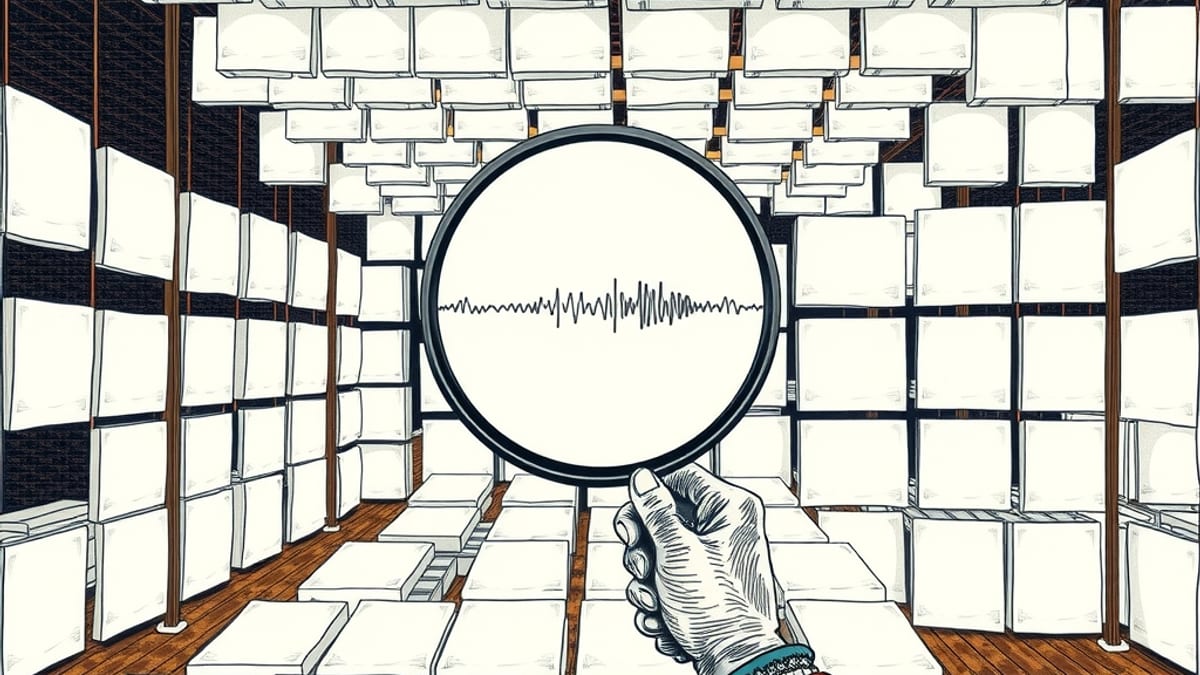
SpectralCanary, a novel technique developed by University of Maryland researchers, embeds a subtle signal into images, allowing for the detection of specific dataset usage in text-to-image models without compromising image quality or captions.
Oct 23, 2026 · 2 min read
4 connections in the Atlas

ML & Research
Researchers have developed a cost-aware abstention method that significantly reduces errors in automatically routing IT support tickets. This approach selectively defers tickets to human agents, cutting misrouting costs by over 38% on a large dataset.
Oct 23, 2026 · 2 min read
ML & Research
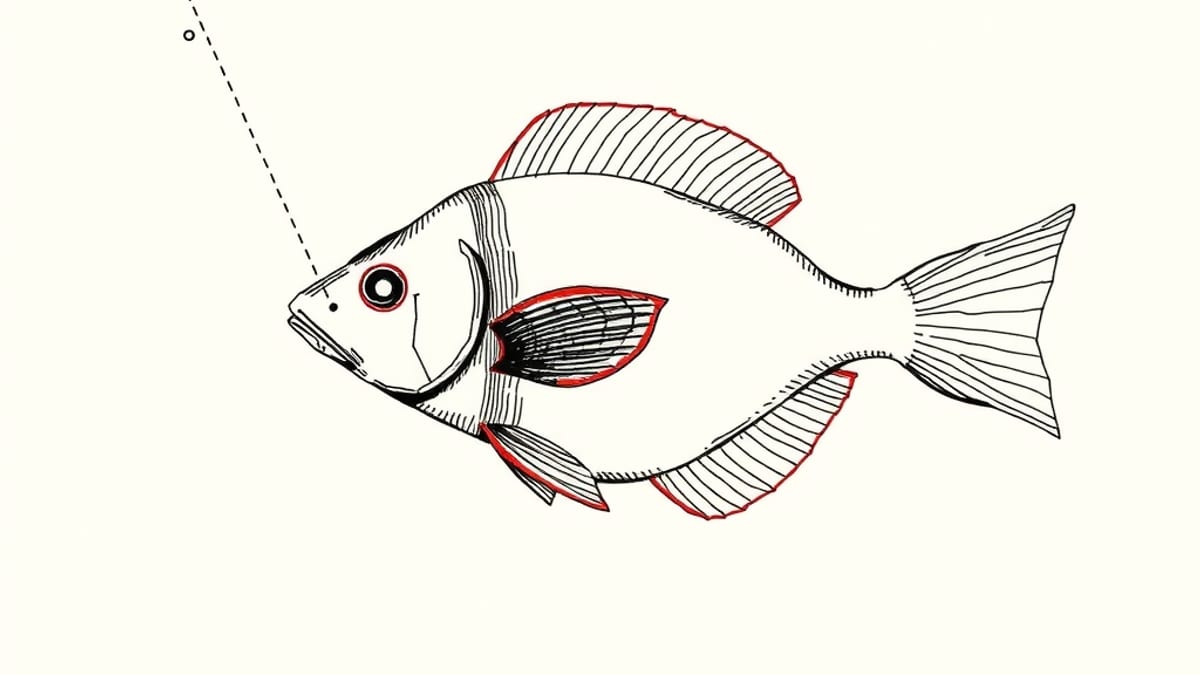
Massachusetts Institute of Technology engineers have developed a swimming robot that uses genetically engineered living muscle cells to propel itself through water. The device, detailed in *Advanced Functional Materials*, demonstrates a method for creating biohybrid robots with minimal biological material, opening possibilities for exploration in delicate environments.
Oct 23, 2026 · 2 min read
1 connection in the Atlas

ML & Research
Researchers at the University of Cambridge and GlitterinTech have developed a $10 optical sensor chip that provides laboratory-grade precision in a compact form factor. This technology enables potential non-invasive health monitoring for blood glucose and alcohol, alongside applications in food and material identification.
Oct 23, 2026 · 2 min read
ML & Research
Artificial intelligence has aided in the discovery of A-greement, a novel consensus protocol for geo-replicated state machines. The new protocol significantly reduces latency in key-value store operations, outperforming existing state-of-the-art solutions.
Oct 22, 2026 · 1 min read

ML & Research
A new family of discrete diffusion models, called Binary Discrete Diffusion, represents noisy states as sets of candidate tokens. This approach has demonstrated superior performance over existing methods on logic and planning tasks such as Sudoku and graph coloring. The models also show competitive results in language modeling.
Oct 21, 2026 · 2 min read
1 connection in the Atlas