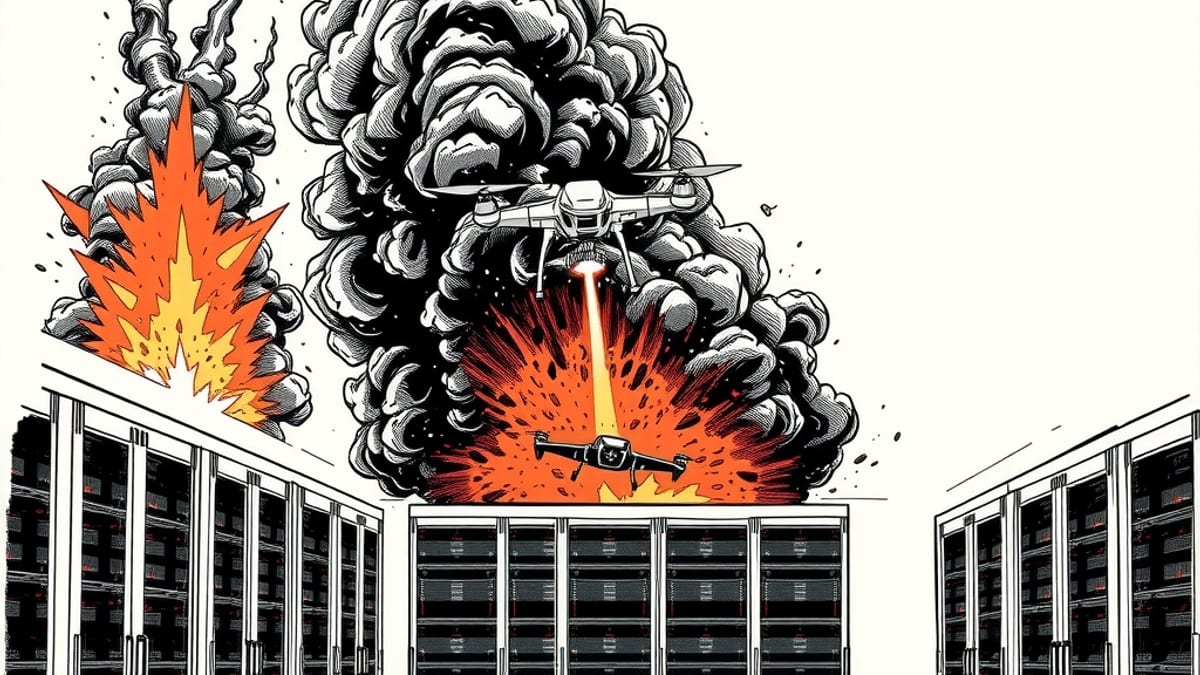
Ukrainian drone strikes have targeted and disabled three data centers belonging to Yandex, Russia's largest technology company, over the past week. These attacks have caused widespread disruptions to online services across Russia and in several neighboring countries. The facilities hit include a data center in Sasovo, Ryazan region, struck on October 7-8; a large data center in the Kaluga region on October 9; and a third facility in Vladimir over the weekend. Yandex confirmed that the Sasovo facility is completely offline, and the Vladimir data center also ceased operations entirely, while the Kaluga site sustained infrastructure damage.
The affected Yandex data centers support a range of critical services, including the Yandex Cloud platform, which provides computing infrastructure to thousands of businesses. Reports indicate widespread outages for services such as email, ride-hailing and food delivery apps like Yandex Go, payment systems through Yandex Pay, and various other websites and applications. The Sasovo facility reportedly housed two of Yandex's three supercomputers used for training artificial intelligence models, and the Vladimir facility housed another powerful Yandex supercomputer, Galushkin. The combined capacity of the three targeted facilities is approximately 115 megawatts.
Ukrainian President Volodymyr Zelenskyy stated that these strikes are a direct response to earlier Russian attacks on Ukrainian data centers and telecommunications infrastructure. In late September, Russian jet-powered drone strikes on data centers in the Kyiv region disrupted internet service for approximately 100,000 households. Moscow had claimed that the Ukrainian data centers it targeted were being used to support the country's armed forces.
The incidents highlight a significant vulnerability in Russia's digital economy, which has become increasingly centralized. Experts note that Russia's "sovereign internet" doctrine, implemented since 2019, while intended to ensure technological independence and control, has inadvertently created single points of failure. This centralization means that disruptions to a few key facilities can have cascading effects across the entire digital infrastructure, impacting not only internet services but also potentially government operations and businesses. Unlike Ukraine, which can rely on international partners for cloud services, Russia's more restricted internet limits its options for quickly restoring services.
The Russian Digital Development Minister, Maksut Shadayev, acknowledged the "unprecedented attack" on Yandex and stated that his ministry is collaborating with the Defense Ministry to enhance security at Yandex facilities. The long lead time required to build new data centers, often years, suggests that recovering from such damage will be a complex and lengthy process for Russia.