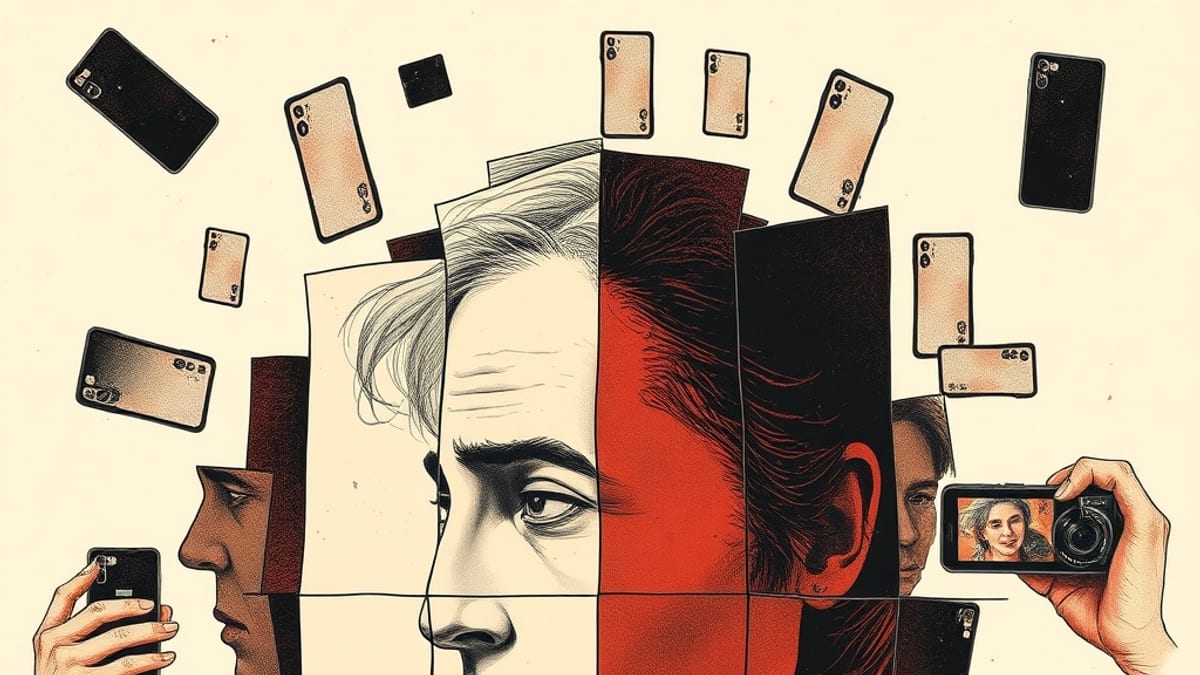
TikTok has begun testing an opt-in artificial intelligence tool designed to help creators identify and report unauthorized AI-generated content that uses their likeness. The feature, initially available to a limited group of U.S. creators, allows users to scan the platform for deepfakes and report them to the company. This move aligns TikTok with other major platforms, such as YouTube, which has also developed and expanded tools for detecting AI-generated likenesses.
To participate in the test, creators must first verify their identity through a third-party service called Jumio. This process involves a real-time selfie scan and an official identification check. TikTok spokesperson Zachary Kizer stated that the company does not retain these identification documents. Facial information collected during verification is used exclusively for likeness matching and to identify potential unauthorized uses of a creator's image.
Once a creator is verified and opts into the tool, the system scans for content that may be using their likeness without permission. Creators can then review the findings and choose to report specific posts or accounts that they believe are impersonating them. The voluntary nature of this tool means creators must actively choose to use it before the platform begins monitoring AI-generated content that resembles them.
The development comes as concerns over AI-generated deepfakes and the unauthorized use of personal identities online continue to grow. Other platforms have also taken steps to address these issues. YouTube has made its AI likeness detection tool available to all adult users. In a separate initiative, TikTok has also been exploring other methods for managing AI-generated content, including testing "invisible watermarking" and cross-industry technologies like C2PA Content Credentials to label AI-generated material.
TikTok has not yet announced when this AI likeness detection tool will be made available to a wider audience or expanded beyond the United States.