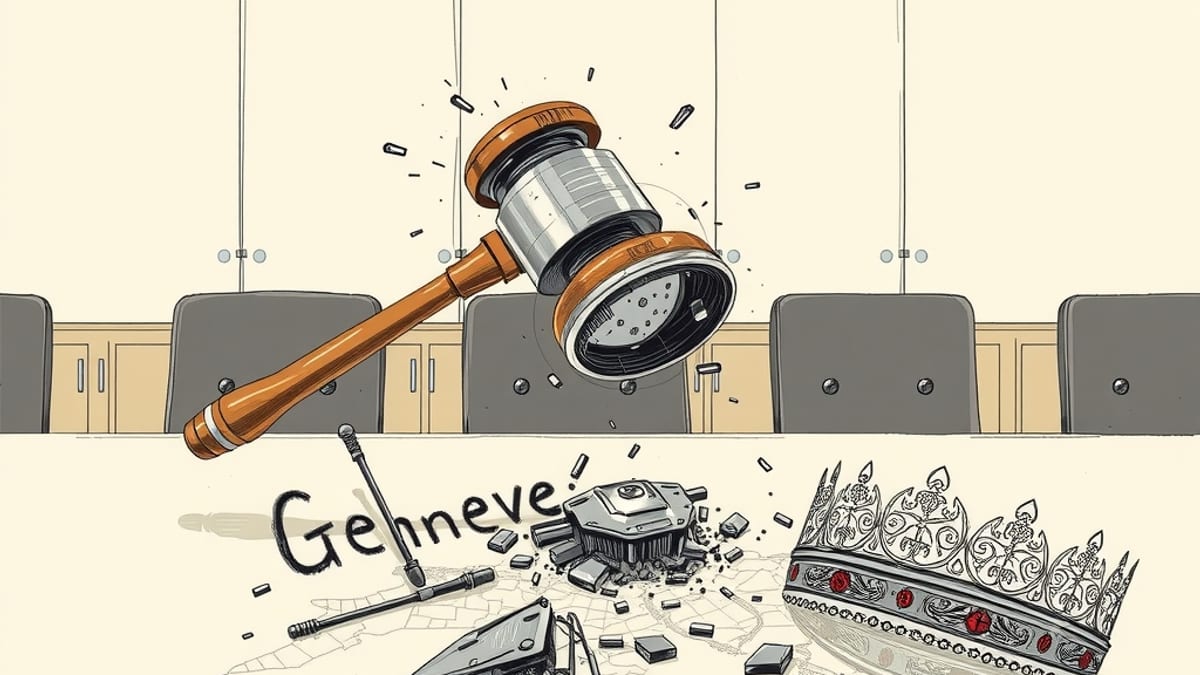
Pope Leo XIV, in a papal address on Friday, October 30, 2026, called for the "disarmament" of artificial intelligence and encouraged United Nations member states to "take concrete steps toward banning lethal autonomous weapons" at their November meeting in Geneva. The pontiff asserted that "machines are tools, not persons," directly addressing ongoing discussions about AI personhood.
This address reinforced themes from his first encyclical, "Magnifica Humanitas" ("Magnificent Humanity"), published on May 25, 2026, which focused on "safeguarding the human person in the time of artificial intelligence." In that 82-page document, Pope Leo XIV warned that AI must be "disarmed" to prevent it from weakening human relationships, critical thinking, and peace. He had stated that the word "disarmed" was chosen deliberately to attract attention and awaken consciences regarding the technology's implications.
During his October 30 address, Pope Leo XIV reiterated that the future of AI is not predetermined, but rather depends on human choices. He stated that humans "have the responsibility to guide, change and, when necessary, reject its applications." The Pope also questioned proposals to grant AI systems legal personhood, arguing that such a move could obscure human responsibility and leave those harmed by the technology without a clear entity to hold accountable. He quoted from his May encyclical, noting that "so-called artificial intelligences do not undergo experiences, do not possess a body, do not feel joy or pain, do not mature through relationships and do not know from within what love, work, friendship or responsibility mean."
Pope Leo XIV stressed that decisions affecting "human life, freedom and the use of force" must always remain under "effective, informed, and responsible human oversight." He specifically cited AI-built target lists as an example of decisions that should never be delegated to machines. The Pope's call echoes a similar sentiment from Pope Francis in 2024, who stated that "No machine should ever decide to take a human life."
The Pope also called for the establishment of global institutions to manage AI development, advocating for "shared standards, independent oversight and clear mechanisms of accountability." He suggested that such institutions are necessary to safeguard the global common good and ensure that decisions concerning AI can be examined, challenged, and remedied when harm occurs. Pope Leo XIV has frequently discussed the unchecked development of AI since the start of his pontificate, drawing parallels to Pope Leo XIII's leadership during the Industrial Revolution.