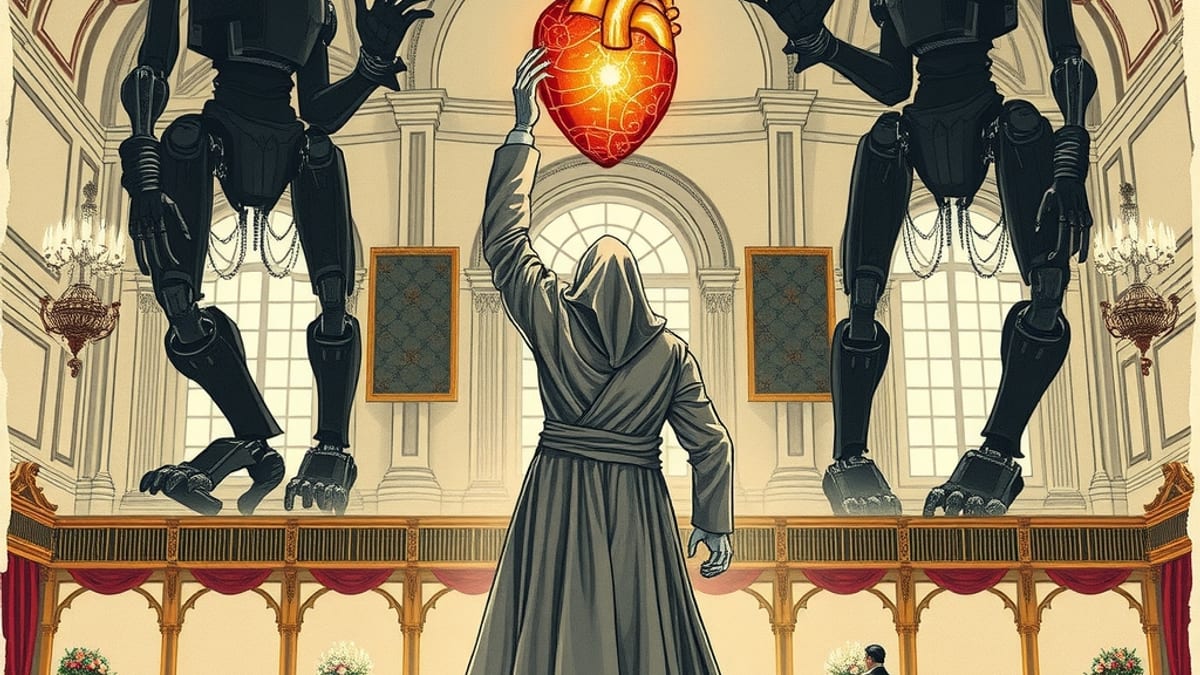
Pope Leo issued a stark warning about the dangers of artificial intelligence during his three-day visit to France, cautioning against a future where machines dominate human life. Speaking at the Élysée Palace, the pontiff stated that humanity must avoid losing its essence amidst a "paradise of machines" that are increasingly invading and shaping daily existence. He stressed the urgent need for education in ethical discernment to help people distinguish what is morally right.
During a subsequent address at the UNESCO headquarters in Paris, Pope Leo reiterated that new technologies must serve humanity rather than become instruments of oppression or injustice. He noted that while artificial systems are given the name "intelligence," this can lead to a dehumanization where human worth is judged by efficiency, and those deemed unproductive are discarded. He also commented on the spread of misinformation through communication channels, noting that abundance of information does not equate to wisdom.
Pope Leo's concerns about artificial intelligence are not new. His first encyclical, "Magnifica Humanitas," addressed the topic directly, calling for robust regulation and urging developers to prioritize the common good over profit. He has previously expressed that AI must be "disarmed" and freed from a mentality of competition to prevent misuse. The Pope also voiced opposition to the use of AI in military systems, deeming it morally unacceptable for machines to make life-and-death decisions during warfare.
The pontiff's visit to France, the first official papal visit in 18 years, also touched upon other critical issues. He reaffirmed the Vatican's opposition to nuclear weapons, describing the doctrine of deterrence as mistaken and contributing to an arms race. Pope Leo also criticized the trend of scientific and technological advancements being used for profit-driven ventures, referencing assisted dying and genetic manipulation.
French President Emmanuel Macron, who welcomed the Pope, acknowledged the need for international cooperation on AI, suggesting the creation of an organization to reconcile technological progress with humanism. The Pope noted that many in the tech industry are open to dialogue about ensuring AI serves humanity.