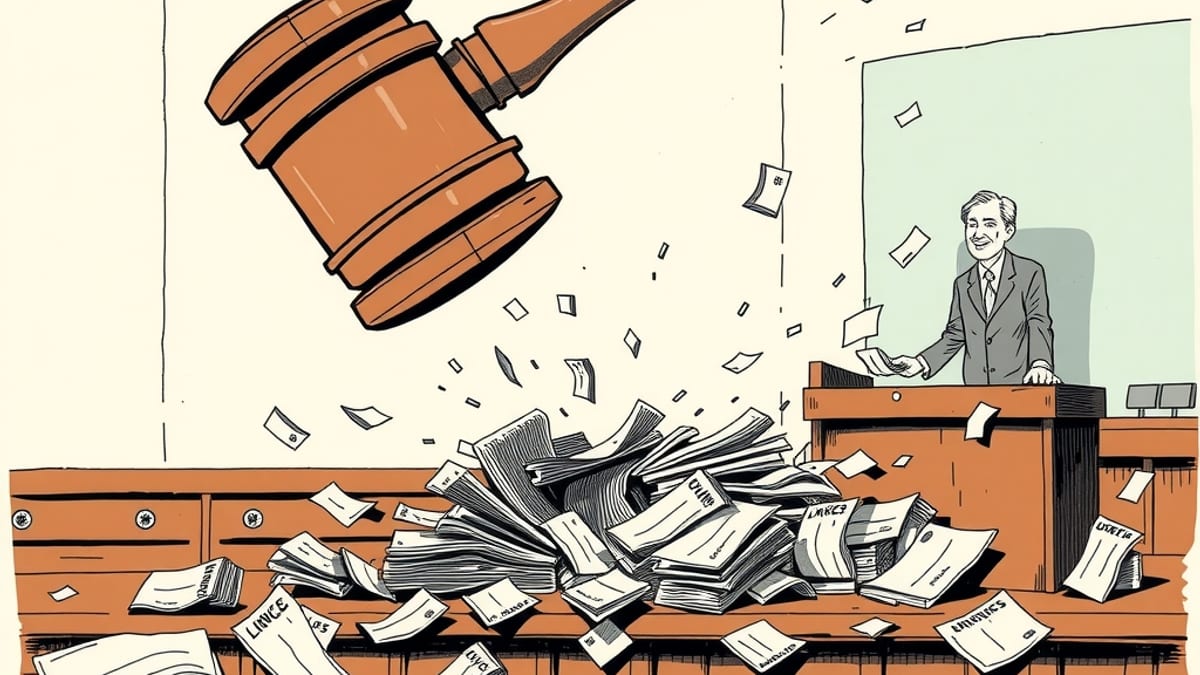
Lyft has agreed to a $272.5 million settlement in a lawsuit alleging the company misclassified its California drivers as independent contractors. The agreement, which awaits court approval, resolves claims that Lyft denied drivers minimum wage, overtime, and expense reimbursements between 2016 and 2020.
The settlement, announced by California Attorney General Rob Bonta and city attorneys from San Francisco, San Diego, and Los Angeles, represents the largest wage-and-hour settlement in California's history. Of the total amount, at least $237.075 million, or 87%, is designated for distribution to eligible drivers. Driver payments will be determined based on hours and miles driven from April 5, 2016, through December 15, 2020. A third-party administrator will contact eligible drivers after the San Francisco Superior Court approves the settlement.
The lawsuit, initiated in 2020, asserted that Lyft's classification of drivers as independent contractors violated California labor laws, including those established by the "ABC test" for worker classification. This test, adopted by the California Supreme Court in 2018 and later codified by Assembly Bill 5, presumes workers are employees unless specific criteria demonstrating independence are met. State officials contended that misclassification deprived drivers of essential protections such as minimum wage, overtime pay, and reimbursement for work-related expenses.
Lyft spokesman George Flynn stated that the settlement, if approved, "closes a chapter from a very different time, before Prop. 22." Proposition 22, passed by California voters in November 2020, created a separate classification framework for app-based drivers, allowing them to remain independent contractors while providing certain benefits and earnings protections. The settlement specifically covers the period before Proposition 22 took effect and does not require Lyft to reclassify drivers or provide relief for work performed after December 15, 2020.
Attorney General Bonta characterized the agreement as a "landmark win for workers," emphasizing that rideshare companies have grown significantly "on the backs of drivers." He added that "hard-working employees deserve full compensation for their labor." San Francisco City Attorney David Chiu echoed this sentiment, stating that misclassification "exploits workers, fuels inequality, and creates an unfair economy."
Lyft, however, maintains that its drivers were always properly classified under the law. The company stated that resolving this matter now will allow it to avoid the costs and disruptions of prolonged litigation. The settlement agreement explicitly states that it does not constitute an admission of fact or liability by Lyft.
The California Labor Commissioner's Office, a party to the settlement, announced it will forgo its $5.45 million share of penalties to direct more funds to over 1,600 drivers who had filed individual wage claims. These specific claimants will also receive enhanced mileage calculations for their payments. Lyft has the option to make settlement payments over four years, with a 5% simple interest accruing after the first year, capped at $12.4 million.
This settlement with Lyft precedes the ongoing litigation against Uber, which faces similar misclassification claims for the same timeframe. San Diego City Attorney Heather Ferbert noted that Uber holds a larger share of the rideshare market, implying a greater number of affected drivers and potential liability. The case against Uber could proceed to trial if a meaningful settlement is not reached.