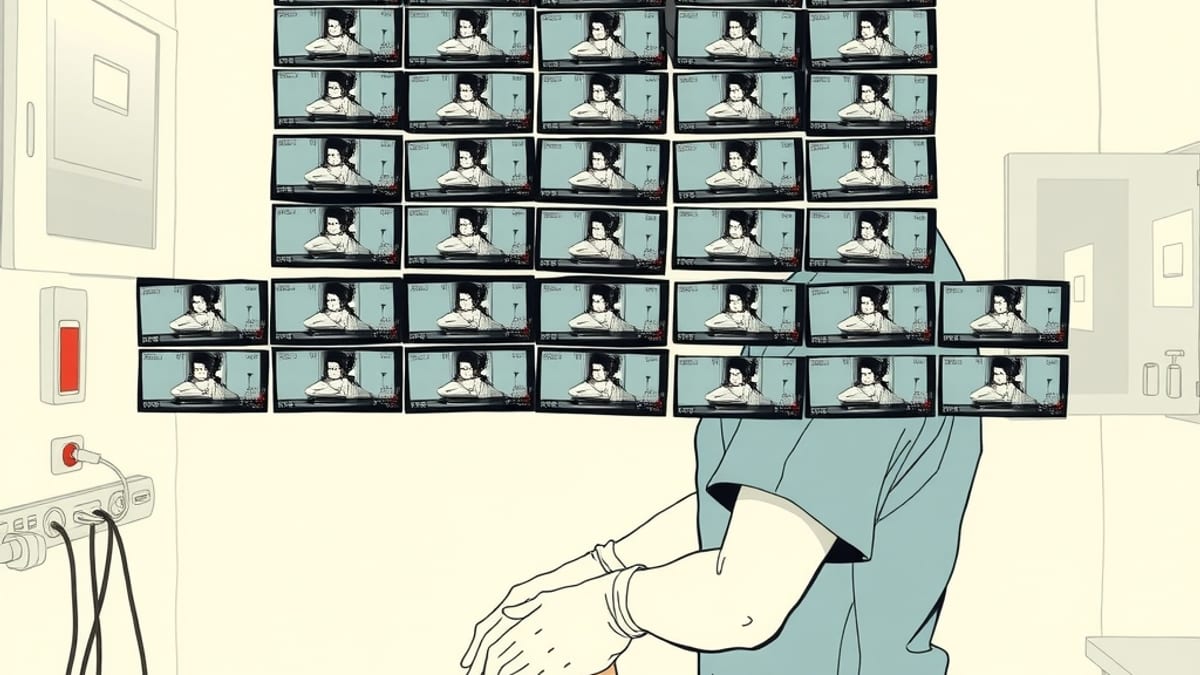
A new dataset comprising 365 video recordings of registered nurses performing central line dressing changes (CLDCs) has been released by researchers at the University of Houston and Houston Methodist Hospital. The dataset, detailed in a paper published on arXiv, addresses the need for standardized, objective evaluation of this critical medical procedure. Central line-associated bloodstream infections (CLABSIs) pose a significant risk in healthcare, contributing to patient morbidity and mortality. Proper CLDC execution is essential for infection prevention, yet current assessment methods rely on manual observation by clinical educators, which can be time-consuming and inconsistent.
The collected videos were recorded during the 2026 annual competency exams at Houston Methodist Hospital. Each video includes temporal annotations at the subtask level and clinical performance assessments across 17 distinct subtasks of the CLDC procedure. The research team outlined the data collection and curation process, including pilot testing of recording setups and the design of the annotation protocol. This structured dataset is intended to facilitate the development and evaluation of AI-assisted methods for skill assessment, offering a more objective, reproducible, and scalable approach to clinical performance evaluation.
Previous research has explored AI's role in addressing CLABSIs, with studies demonstrating AI's ability to predict infection risk and identify early warning signs from images of central venous catheters. For example, an AI infection-detection model showed a sensitivity of 78% and a specificity of 86% in identifying inflamed or infected catheters when tested against trained clinicians. Another study developed machine learning models to predict CLABSI risk in adult ICU patients, with a random forest model achieving an AUC of 0.950. These efforts underscore the potential for AI to enhance patient safety by improving infection control protocols.
The new dataset specifically targets the procedural aspect of CLDC, aiming to standardize the evaluation of technique. By providing a large-scale, clinically grounded resource, the researchers hope to overcome limitations that have previously hindered progress in AI-assisted skill evaluation. The availability of such a dataset could enable the creation of AI systems that offer granular feedback to healthcare professionals, ultimately leading to improved adherence to best practices and a reduction in CLABSI rates.