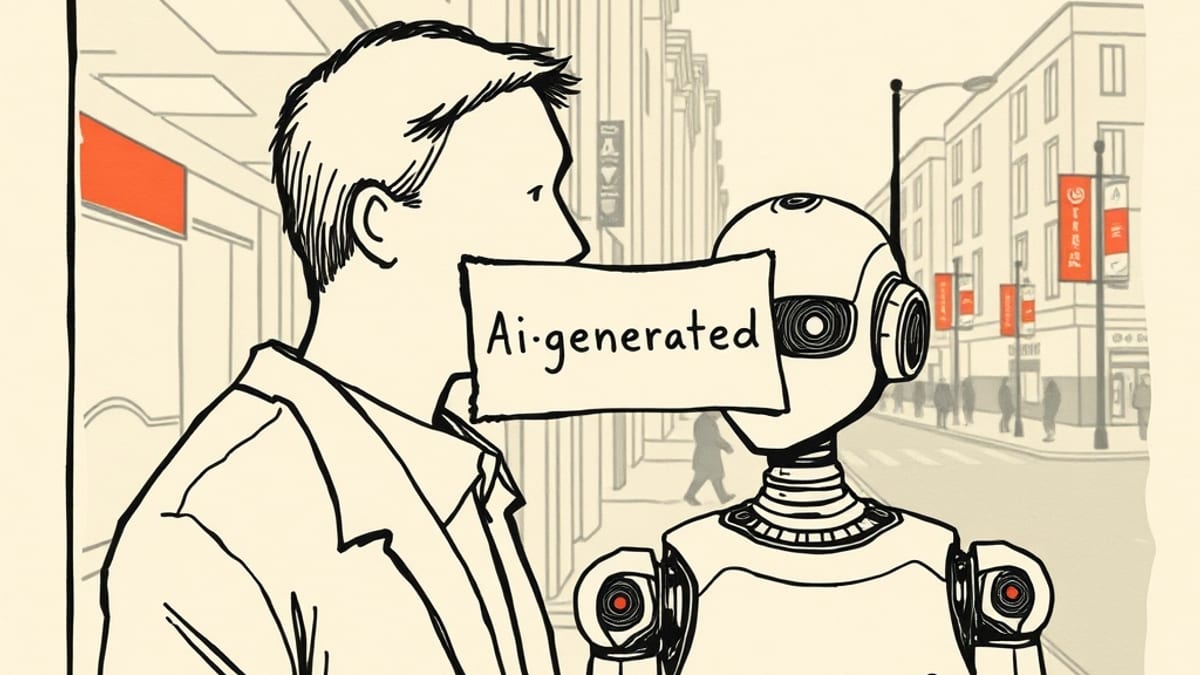
Beginning August 2, 2026, individuals interacting with artificial intelligence systems or consuming AI-generated content within the European Union will be informed of its origin under new regulations. The EU AI Act's transparency obligations, detailed in Article 50, mandate that companies disclose when users are interacting with AI, and when content has been artificially generated or modified. This rule applies broadly, affecting providers of AI systems that directly interact with people, such as chatbots and virtual assistants, as well as deployers who create or alter content using AI.
The legislation requires providers of AI systems to ensure users are aware they are interacting with a machine, unless this is already obvious. For generative AI systems producing text, images, audio, or video, providers must implement machine-readable marking to identify outputs as artificially generated or manipulated. While a standardized EU label is under development, the core obligation is to make AI-generated content detectable.
A significant aspect of the new rules concerns "deepfakes" and other AI-generated or manipulated media that realistically mimic existing persons, objects, places, or events. Deployers using such content must disclose its artificial nature. This requirement extends to AI-generated text intended to inform the public on matters of public interest, which can encompass certain forms of advertising, public relations, and corporate communications. However, exceptions exist; if AI-generated content undergoes substantial human review and editorial responsibility, the disclosure requirement may be waived. Similarly, content created for artistic, creative, satirical, or fictional purposes is subject to reduced disclosure obligations, provided it does not impede the enjoyment of the work.
The EU AI Act aims to foster trustworthy AI by establishing a transparent legal framework. The transparency rules are designed to help individuals recognize AI-generated content, thereby mitigating the risks of misinformation and promoting informed consumption of digital material. The AI Office has been established to oversee the enforcement of these regulations.
Despite the intended benefits of transparency, concerns have been raised about potential "disclosure fatigue" among users. The sheer volume of AI-generated content could lead to individuals becoming desensitized to such labels, diminishing their effectiveness. Companies operating within the EU are advised to inventory their AI systems and prepare for compliance, which includes implementing governance, disclosure, and content-labeling measures. The European Commission has also published guidelines to clarify the scope and practical application of these disclosure obligations.
The transparency obligations under Article 50 are a key component of the broader EU AI Act, which categorizes AI systems based on risk. While many provisions related to high-risk AI systems have extended transition periods, the transparency requirements under Article 50 are largely coming into effect as planned, with some specific marking obligations for generative AI systems placed on the market before August 2, 2026, facing a delayed implementation until December 2, 2026.