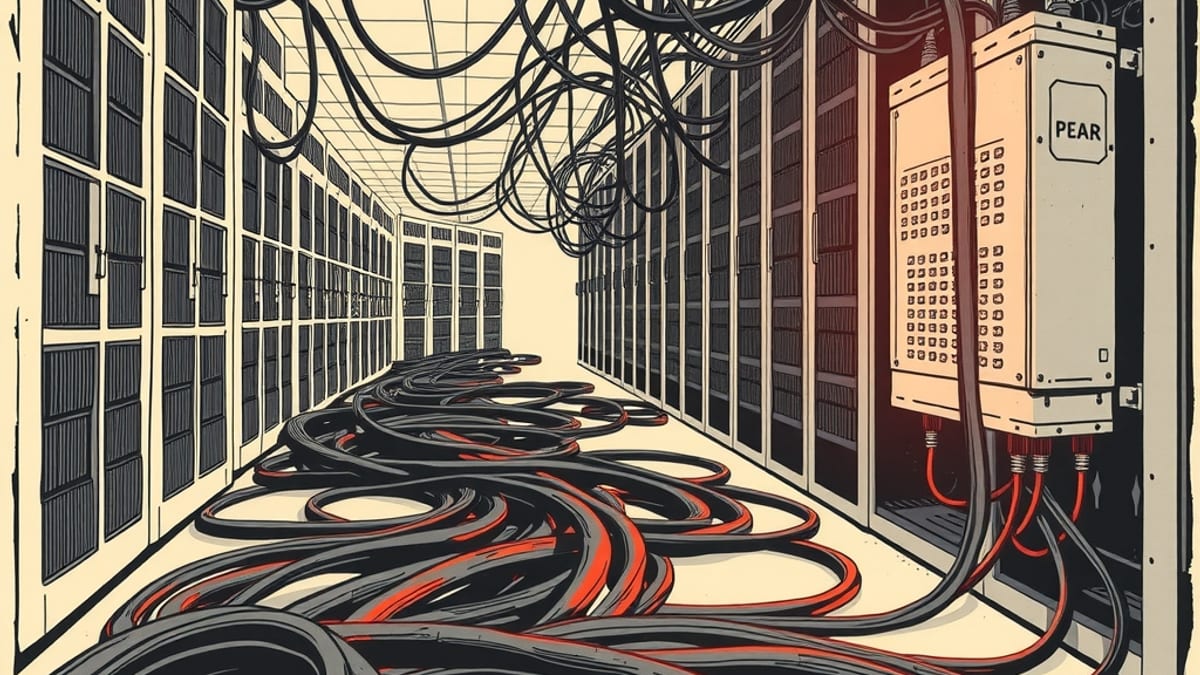
The world's data centers are on track to consume nearly double the electricity they do today by the year 2030, according to a new report from the International Energy Agency (IEA). This surge in demand, projected to reach approximately 945 terawatt-hours (TWh) annually, is largely driven by the rapid growth of artificial intelligence (AI) applications. The IEA estimates that AI will be responsible for three-quarters of this increased energy consumption.
The escalating demand places significant pressure on global energy supplies and raises concerns about carbon emissions. While data centers currently represent about 1.5% of global electricity consumption, this share is expected to rise to 3% by 2030. The report highlights that the energy required for AI training and operation is substantial, with a single AI model training run consuming energy equivalent to the annual use of tens of thousands of households.
The IEA's analysis indicates that while efficiency gains are being made in data center operations, the sheer volume of new AI workloads is outpacing these improvements. This means that despite technological advancements, the absolute energy consumption of data centers will continue to climb. The United States and China are identified as major contributors to this projected increase in demand, with the US alone accounting for nearly half of the anticipated growth in electricity demand from data centers by 2030.
The energy mix powering these data centers also presents a challenge. While renewable energy sources are increasingly being adopted, natural gas and coal are expected to meet over 40% of the additional electricity demand from data centers until 2030. This reliance on fossil fuels means that CO2 emissions associated with electricity generation for data centers are projected to peak around 2030, potentially reaching 320 million tonnes before a slight decline.
The report also touches upon the significant water usage and material requirements associated with data centers, emphasizing the need for a holistic approach to sustainability within the industry. As AI continues to evolve and integrate into various sectors, its impact on energy infrastructure and climate goals will become increasingly prominent. The IEA suggests that AI applications themselves could also offer energy savings in other industries, but these potential reductions are currently dwarfed by the energy demands of AI infrastructure.