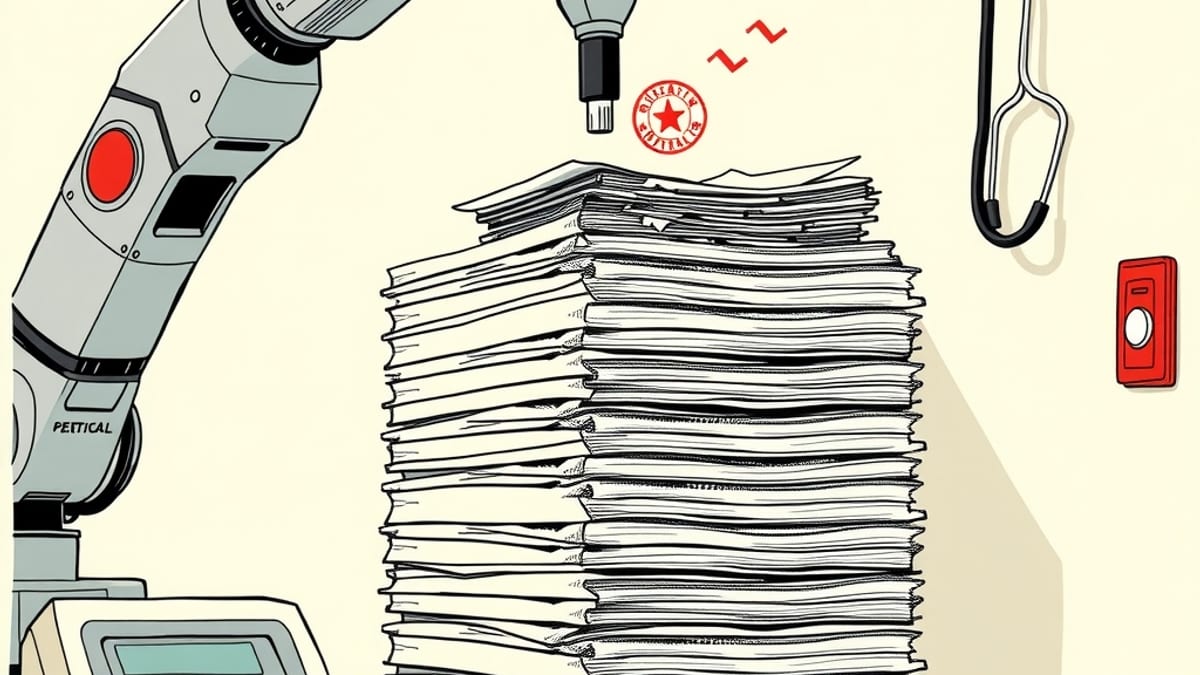
Hospitals' adoption of artificial intelligence tools for medical coding has led to an estimated $942 million increase in healthcare spending for Blue Cross Blue Shield Association (BCBSA) member companies between 2023 and 2025. The association's analysis indicates a significant rise in patient hospital stays being billed as more medically complex, despite no apparent change in the actual care provided. This trend suggests that AI is identifying more billable conditions rather than reflecting a genuine increase in patient acuity.
The BCBSA report highlights that approximately 70% of the increased costs, totaling around $650 million, stem from the documentation of secondary diagnoses. These are conditions separate from the primary reason for admission but can complicate a hospital stay and shift a patient into a higher reimbursement category. The association noted that over 60% of hospital systems now utilize AI-enabled technologies capable of scanning electronic health records to identify such secondary diagnoses. Luke Chalker, BCBSA's senior vice president of product and data science, stated that the data shows a disconnect between coding and treatment, pointing to examples like increased anemia diagnoses without a corresponding rise in transfusions.
This analysis comes amid a broader debate about the financial impact of AI in healthcare. While hospitals may argue that AI tools improve documentation and revenue cycle management, insurers contend that these tools are being used to inflate billing. The BCBSA's findings suggest that the increased coding intensity, driven by AI, is moving more hospital stays into higher-paying categories under payment structures like Medicare's diagnosis-related groups, without a corresponding increase in resource utilization or treatment. The association is calling for greater transparency and oversight of these AI tools used in hospital billing.