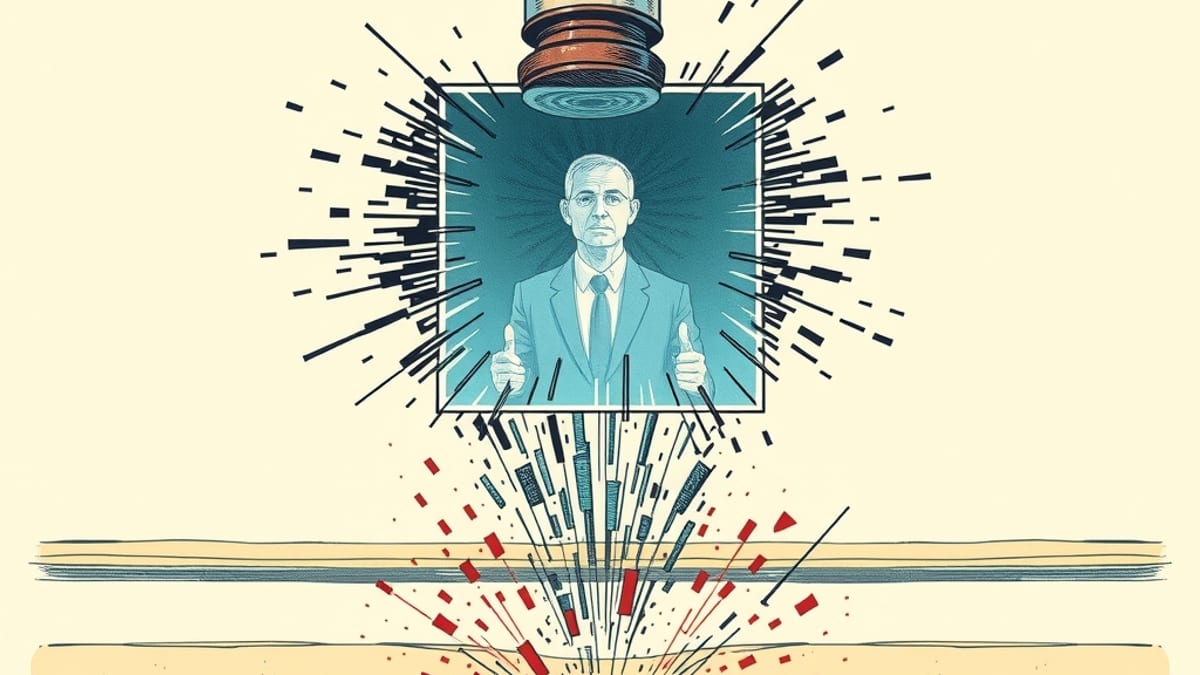
An Arizona appeals court has overturned a manslaughter sentence, ruling that an AI-generated video of the victim speaking at the sentencing hearing carried "undue emotional weight." The court determined the video was not reliable and prejudiced the defendant, necessitating a new sentencing.
The Arizona Court of Appeals vacated the 10-year manslaughter sentence for Gabriel Paul Horcasitas, who was convicted in the 2021 shooting death of Christopher Pelkey. The decision, issued in October 2026, centered on an AI-generated video of Pelkey that was presented as a victim impact statement during the May 2025 sentencing hearing. The appellate court found that the video, created by Pelkey's sister Stacey Wales, was "fundamentally unfair" to Horcasitas because it presented a fabricated depiction of the victim and his thoughts, rather than documenting actual events.
The AI video depicted Pelkey addressing his killer, expressing forgiveness and suggesting they could have been friends in another life. The sentencing judge reportedly stated he "loved that AI" and found the victim's forgiveness "genuine". Horcasitas' defense argued that the AI video carried "undue emotional weight" and an artificial authenticity that swayed the judge, thereby violating due process. The appeals court agreed, ruling that the video "erases the interpretive distance between the family's belief about what the victim would have said and the victim's own voice and opinions". The court concluded that the judge's consideration of the AI video prejudiced Horcasitas, making the sentencing procedure unfair.
While the guilty verdict for manslaughter remains intact, Horcasitas will be resentenced. The family of Christopher Pelkey expressed disappointment but stated they are prepared for the new sentencing proceedings. This case is believed to be the first time an AI rendering of a deceased victim has been used for an impact statement in a U.S. court, raising new legal questions about the admissibility and influence of synthetic media in judicial proceedings. Stacey Wales stated her intention was to sway the judge, emphasizing the power of human connection and the right of victims' families to convey their loved one's sentiments through any available medium.