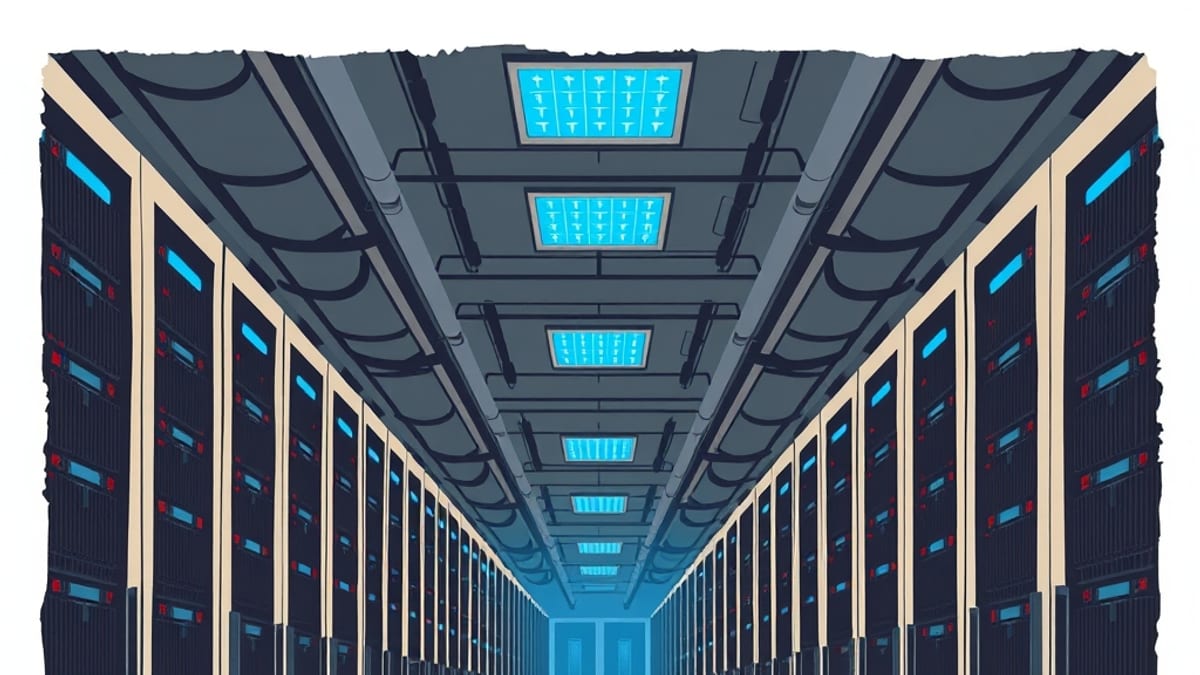
The burgeoning demand for artificial intelligence is driving a significant increase in the construction of data centers, facilities that house the servers powering AI technologies. This surge in development is placing considerable pressure on the nation's power grids and contributing to rising electricity costs for consumers. New analysis from the Open Energy Outlook Initiative indicates that the growth of data centers and cryptocurrency mining could increase average U.S. electricity generation costs by 8% by 2030, and greenhouse gas emissions from power generation by 30%. In some areas, such as central and northern Virginia, electricity costs could surge by more than 25%.
Utilities, which traditionally plan for modest annual demand growth, are now facing regional growth rates of 20-30% annually due to data centers. This rapid escalation necessitates substantial investments in grid infrastructure. U.S. utility companies are planning to invest $1.4 trillion over the next five years to upgrade the nation's power grid, a figure that represents a more than 20% increase from previous projections. A significant portion of these capital expenditures is driven by the need to accommodate data centers.
The increased energy demand from data centers is also impacting the power generation mix. A substantial amount of aging coal-fired power plants, originally slated for retirement, are being kept operational to meet this demand. This reliance on older, more carbon-intensive sources escalates power sector emissions. One study projects that power sector emissions could rise by 30% by 2030 compared to scenarios without this data center growth.
The financial burden of these necessary grid upgrades and increased generation costs is frequently passed on to consumers. Residential electricity prices have already risen, outpacing inflation in many areas. For instance, average electricity prices in the United States increased by approximately 27% between 2019 and the end of 2025. In states with a high concentration of data centers, like Virginia, electricity prices have seen increases of up to 267% over the last five years. A report by PowerLines found that 56 million Americans faced higher utility bills in 2025 due to rate hikes approved that year. Without policy interventions, such as effective oversight by state regulators, consumers could bear a significant portion of the costs associated with utility capital spending.
In some instances, the strain on the grid has led to notable disruptions. In July 2024, a voltage fluctuation in northern Virginia caused 60 data centers to disconnect simultaneously, resulting in a power surplus that required emergency adjustments to prevent wider outages.
The scale of proposed data center projects is immense. In Box Elder County, Utah, commissioners approved plans for a 40,000-acre data center project. This development, known as the Stratos Project, is projected to require up to 9 gigawatts of power, more than double the current electricity usage of the entire state of Utah. The project plans to generate its own power using natural gas turbines, aiming to operate off-grid. However, such large-scale projects also raise concerns about water usage, air quality, and noise pollution, leading to local opposition.
As data centers expand, the demand for electricity is projected to grow substantially. Lawrence Berkeley National Laboratory predicts that data center demand could increase from 176 terawatt-hours in 2023 to between 325-580 terawatt-hours by 2028. This represents a potential increase from 4.4% to 12% of total U.S. electricity consumption. The increasing energy requirements of AI are a driving factor behind this trend, with some estimates suggesting that a single AI training cluster can consume seven to eight times more energy than a typical computing workload.